Based on Natural Resources Canada’s (NRCan) approved guidelines. Refer to NRCan’s Fuel Consumption Guide available at https://fcr-ccc.nrcan-rncan.gc.ca/en for more information. Full battery charge and ideal conditions are required. Figures will vary with driving and charging habits, speed, accessory use, weather and temperature, battery age, vehicle condition and road condition. In non-ideal conditions, figures may worsen by more than 50%. Battery capacity decreases with time and use which will further reduce range. See owner’s manual for details.
Recall & Vehicle Campaign Lookup
Use your Vehicle Identification Number (VIN) to find out if your vehicle is included in a recall or service campaign.
Enter your VIN:
We're sorry, we don't recognize the VIN entered. Please confirm all 17 characters have been entered correctly.
If your vehicle was originally purchased in the US, please reach out to
Subaru of America with inquiries.
Vehicle Identification Numbers are unique codes given to each on-road vehicle. Each new car is given a standardized 17-digit code, which includes a serial number. Older cars may have VINs too, although they will not follow the standardized formula. A VIN lets you unlock vital information about the vehicle and its history.
Locating VINs
You can find a VIN on the car itself and on a variety of documents.
Finding it on the Car
The two most common places are the dashboard and driver's side door jamb sticker. Other places to find it are on the engine and inside the hood.
Finding it on Paperwork
The VIN is always on vehicle title documents. It's also on insurance policies, service records and police reports for the vehicle.

Update Contact Information
Inform Subaru Canada if you have moved or changed ownership to ensure you receive notice of any service campaigns and safety recalls.
Contact Preference

Safety Concerns
Have a safety concern about your vehicle or questions regarding recalls or service campaigns? Our Customer Support team is here to help.
Contact Customer Support Team
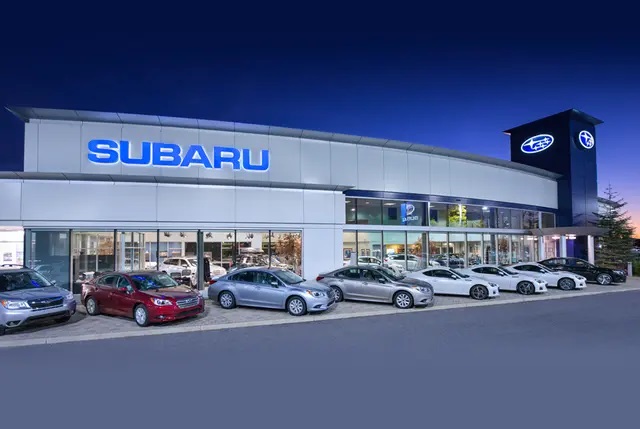
Find a Dealer
Locate a dealer near you to schedule service for your vehicle's recall or vehicle campaign.
Find a Dealership